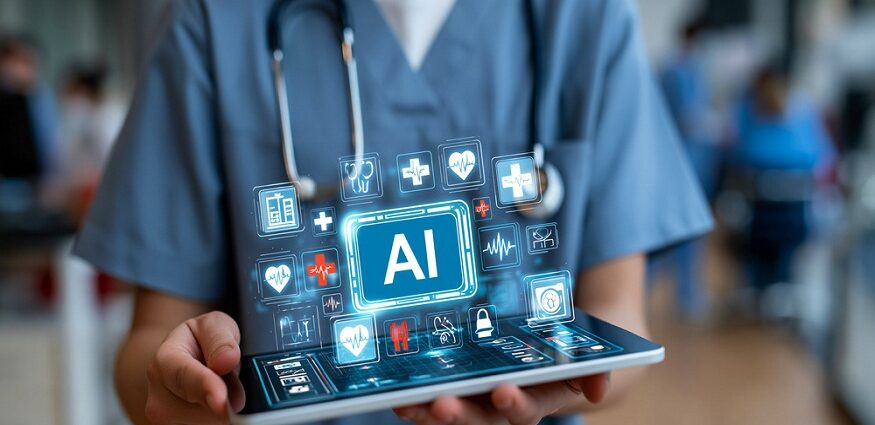
Medicine changes fast these days. Walk into any hospital and you’ll see artificial intelligence at work. Computers read X-rays. Smart systems track medications. This isn’t coming someday. It’s happening right now in clinics from Boston to Los Angeles.
Understanding What an AI Mindset Really Means
You don’t need to code to think like someone who gets AI. That’s basically what AI does for healthcare teams. The computer catches things humans might miss after a long shift. Maybe it spots a drug interaction or flags an abnormal lab value. But here’s the thing. Machines lack the ability to comfort or compassionately explain diagnoses. That’s where people are needed. Some nurses worry that robots are coming for their jobs. Not true. Smart healthcare workers see AI differently. They use it like any other convenient tool. Stethoscopes didn’t replace doctors. Neither will computers.
Read More : Best Practices for Rolling Out ERP Software Across Multiple Departments
Why Traditional Training Falls Short
Nursing school teaches you plenty. How to start an IV. When to call a code. The right way to comfort a scared patient. What it doesn’t teach much? How to work with AI systems that are popping up everywhere. When new graduates start their careers, they’ll find half the equipment is powered by machine learning. Nobody explained what that meant or how it worked. It’s not easy for experienced nurses either. Twenty years ago, charting meant pen and paper. Now electronic systems predict which patients might develop sepsis. That’s quite a jump. Even skilled professionals struggle without help.
Building Your AI Knowledge Base
You don’t need an MIT degree to understand healthcare AI. Start simple. Figure out what your hospital’s AI tools actually do. Ask questions when vendors demo new equipment. Most importantly, pay attention to how these systems help your patients. Training programs make this easier. ProTrain offers AI nurse certification training that shows healthcare workers practical ways to use artificial intelligence every day. Forget the computer science lectures. These courses teach real skills for real situations. You learn which AI suggestions to trust and when human judgment matters more.
Real Benefits for Patient Care
Here’s what AI does well. It reads thousands of medical journals instantly when checking treatment options. It remembers every medication interaction ever documented. AI systems can predict which patients need immediate intervention. When hospitals implement these tools properly, patient outcomes improve significantly. Paperwork shrinks too. Talk into your phone and watch AI turn rambling thoughts into proper medical notes. Spend those saved hours actually talking to patients. Remember why you got into healthcare in the first place.
Overcoming Common Fears
Technology can feel scary. Every generation of healthcare workers faced new tools that seemed impossible at first. However, AI tools get friendlier every month. Companies finally realized nurses don’t want to memorize command codes. They want buttons that make sense and screens that don’t crash during shift change. Plus, machines can’t do what you do. They can’t calm a frightened child or notice when something feels off about a patient’s story. They definitely can’t make judgment calls about quality of life or end of care decisions.
Conclusion
Healthcare needs professionals who speak both languages. The language of human caring and the language of smart machines. Ignoring AI won’t make it disappear. Fighting it wastes energy better spent on patients. Instead, take small steps. Try one new AI feature this week. Ask a younger colleague for tips. Join a training program if your hospital offers one. Your future patients will thank you for making the effort today. After all, the best medicine happens when caring people use powerful tools wisely.
Read More : Revops Agency: Your Partner in Revenue Optimization